A mother’s love, a lifetime of learning: Down syndrome and Alzheimer’s


By Anjali Sadarangani
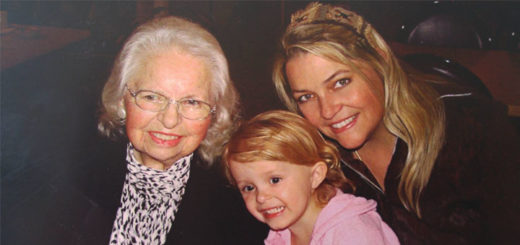
When Lili’s daughter Olivia was born with Down syndrome, Alzheimer’s disease was the last thing on her mind. But as Olivia grew up, Lili learned that people with Down syndrome face a much higher risk of developing Alzheimer’s. For more than 20 years, she has responded the only way she knows how: by showing up — for research, for fundraising and for advocacy.
A life with Down syndrome
When Lili learned that her daughter Olivia would be born with Down syndrome, she knew life might look a little different than she originally expected. What she did not expect was that Alzheimer’s disease would one day become part of those conversations too.
Now 33 years old, Olivia lives independently in supportive housing, continues learning new things and, according to her mother, constantly surprises the people around her.
“There’s a huge range of challenges for people with Down syndrome, just like the general population,” Lili said. “Olivia has blown us away.”
Learning about Alzheimer’s risk in the Down syndrome community
Lili says she first began learning more about Alzheimer’s disease and Down syndrome when Olivia was around 10 years old and their family attended a Down syndrome conference.
“I had heard she was at higher risk for Alzheimer’s, but at the time it felt like something far away,” she said.
At the conference, there was a session focused on Alzheimer’s disease in people with Down syndrome.
“That’s when it sunk in,” she said.
People with Down syndrome are at significantly higher risk for Alzheimer’s disease because they are born with an extra copy of chromosome 21, which contains the APP gene linked to amyloid plaque buildup in the brain.
Lili remembers being especially struck by research showing that virtually all people with Down syndrome develop plaques and tangles associated with Alzheimer’s disease by their 30s and 40s, though not everyone develops symptoms of dementia.
“One of the things researchers are trying to understand is why some people develop symptoms and others don’t,” she said. “That could help everybody.”
Doing what she can
Shortly after that conference, Lili began participating in the Alzheimer’s Association Walk to End Alzheimer’s® to help fundraise for research. While they no longer attend the event, the family continues to raise funds every year.
“Fundraising is something we can do,” she said.
In addition to fundraising, both Lili and Olivia have participated in several research studies related to cognition, aging and Down syndrome. Some research studies are called clinical trials which use human volunteers to determine whether treatments are safe and effective. Without clinical research and the help of participants, there can be no treatments, prevention or cure for diseases.
Lili currently participates in the Brain Health Registry and completes online cognitive testing every six months. Olivia has also participated in studies related to cognition and the immune system.
“It’s like giving money,” she said. “I’m only one person, and maybe it feels small, but it’s important to do what I can. I’m 78, my husband is 80, our daughter is 33 – We’re not much further along than we were 20 years ago when I thought we had plenty of time.”
She believes research participation matters not only for her own family, but for other families navigating similar questions about aging and brain health within the Down syndrome community.

Why early detection matters
One topic especially important to Olivia’s mother is early detection.
After hearing about new blood biomarker tests that may help detect Alzheimer’s disease earlier, she became interested in what those advances could mean for people with Down syndrome and their families.
“The earlier you know, the better,” she said.
She compared it to learning Olivia had Down syndrome before birth. Because her family knew early, they were able to prepare and connect Olivia with early intervention programs immediately.
“That head start mattered,” she said.
At the same time, she acknowledged that decisions around testing can feel emotional and complicated.
“It’s a scary thing to know,” she said. “I’d want to learn more about the accuracy of the test and what [the test] would mean for her.”
Access to blood tests
As previously mentioned, researchers have developed blood tests that can detect Alzheimer’s before symptoms appear, however, many people are unable to access these tests. Under current law, Medicare is prohibited from covering FDA-approved screening tests unless Congress provides permission.
Lili and people like her are reaching out to their members of Congress asking them to support new legislation that would allow more people access to these tests. Giving individuals more time to begin treatment, plan ahead, enroll in clinical trials and seek support when it matters most. She has also advocated for more inclusion of people with Down syndrome in clinical trials of potential treatments.
“I’m one person. I can’t do much. But I feel compelled to do something.”
Planning for the future
Olivia lives on her own, continues learning new skills and rarely asks for help. Lili describes her as resourceful and determined.
Lili repeatedly returns to one point: people with Down syndrome are individuals with unique personalities, strengths and abilities.
“We have worked really hard to help her, but she’s very independent,” she said.
As more families in the Down syndrome community begin navigating conversations around aging and brain health, Lili hopes awareness around Alzheimer’s disease, potential treatments, and early detection continues to grow.
For her, participating in Walk, research and conversations like these has never been about fear. Instead, it has been about staying informed, helping where she can and hoping future families will have even more answers and support.
To learn more about Alzheimer’s in the Down syndrome community visit our website here.
Become an advocate at alz.org/advocate or tell your representative to support the ASAP act to help change the laws around getting blood tests at alzimpact.org/ASAP_Act.
Help support research by fundraising with Walk to End Alzheimer’s or participating in a clinical trial at alz.org/trialmatch.