Memories In The Makingâ„¢ Gallery Of Art
Friday evening, the 13th Annual Memories in the Making Art and Wine Auction took place at the Computer History Museum in Mountain View. The beautiful art that was auctioned off was created by people...
Alzheimer’s Association of Northern California and Northern Nevada Newsletter
Alzheimer's champions / News and notes / Newsletter / Profiles
by Alzheimer's Association · Published March 14, 2016 · Last modified March 11, 2016
Friday evening, the 13th Annual Memories in the Making Art and Wine Auction took place at the Computer History Museum in Mountain View. The beautiful art that was auctioned off was created by people...
Alzheimer's and dementia caregiver tips / Caregiving / Education / News and notes / Newsletter
by Alzheimer's Association · Published September 8, 2015 · Last modified November 5, 2018
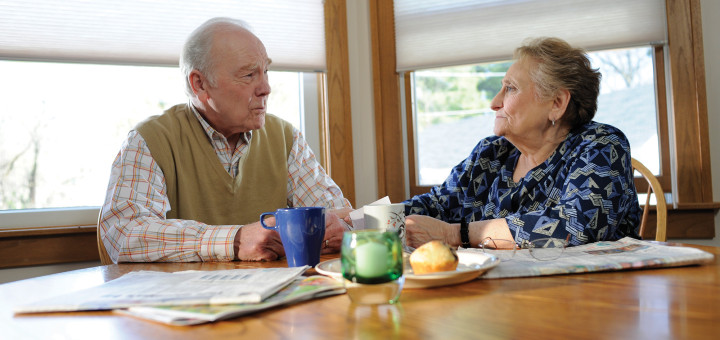
We all have challenges from time to time coming up with the right word for something or trying to make ourselves understood. For our friends and family members with Alzheimer’s or a related disorder,...
Alzheimer's and dementia caregiver tips / Caregiving / Education / News and notes / Newsletter
by Alzheimer's Association · Published September 8, 2015 · Last modified January 19, 2016
Elder abuse is “growing by leaps and bounds” according to Janet Berry, Deputy District Attorney for Santa Clara County. Alarmingly, seniors who are abused have three times the mortality rate as their same-age peers....
Alzheimer's champions / News and notes / Newsletter / Profiles
by Alzheimer's Association · Published September 8, 2015
On June 27, a new board was elected to lead the charge into FY’16. Three new members were added, and current board member Karen Stevenson was elected president. We asked Karen to share her...
Advocacy / News and notes / Newsletter / Research
by Alzheimer's Association · Published September 7, 2015 · Last modified March 3, 2016
The National Plan to Address Alzheimer’s Disease, which was mandated by the 2011 National Alzheimer’s Project Act, has a primary goal to prevent and effectively treat Alzheimer’s by 2025. Leading scientists have said we...
Alzheimer's champions / News and notes / Newsletter
by Alzheimer's Association · Published July 30, 2015
Nothing made Michaela (Mikey) Hoag of Atherton, California, feel more powerless than when her father, living more than 2,000 miles away on the East Coast, was diagnosed with Alzheimer’s disease. Unable to help with...
Alzheimer's and dementia caregiver voices / Alzheimer's champions / Caregiving / News and notes / Newsletter
by Alzheimer's Association · Published July 30, 2015 · Last modified January 19, 2016
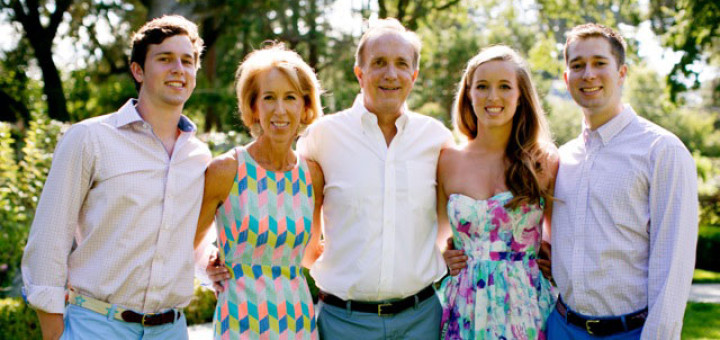
Dagmar Dolby and her husband, Ray, sound pioneer and founder of Dolby Laboratories, led a charmed life. But it was one they eventually found disrupted and forever changed by Alzheimer’s disease. It began when...
You can be forgiven if you missed this, but in January in the midst of the Federal Budget Reconciliation and the Continuing Resolution – the two bills that kept the Federal government funded –...